
Methods for Effective Community Engagement
Engaging communities effectively is essential for fostering collaboration, promoting growth, and achieving shared goals. This article explores proven methods backed by research and real user experiences, offering actionable insights to enhance community engagement efforts.
Understanding the Basics
Community engagement refers to the processes and practices that bring people together to collaborate on common goals. According to the International Association for Public Participation (IAP2), effective engagement often leads to improved community trust and involvement. This works because it allows members to express their concerns, share their ideas, and collaborate on solutions.
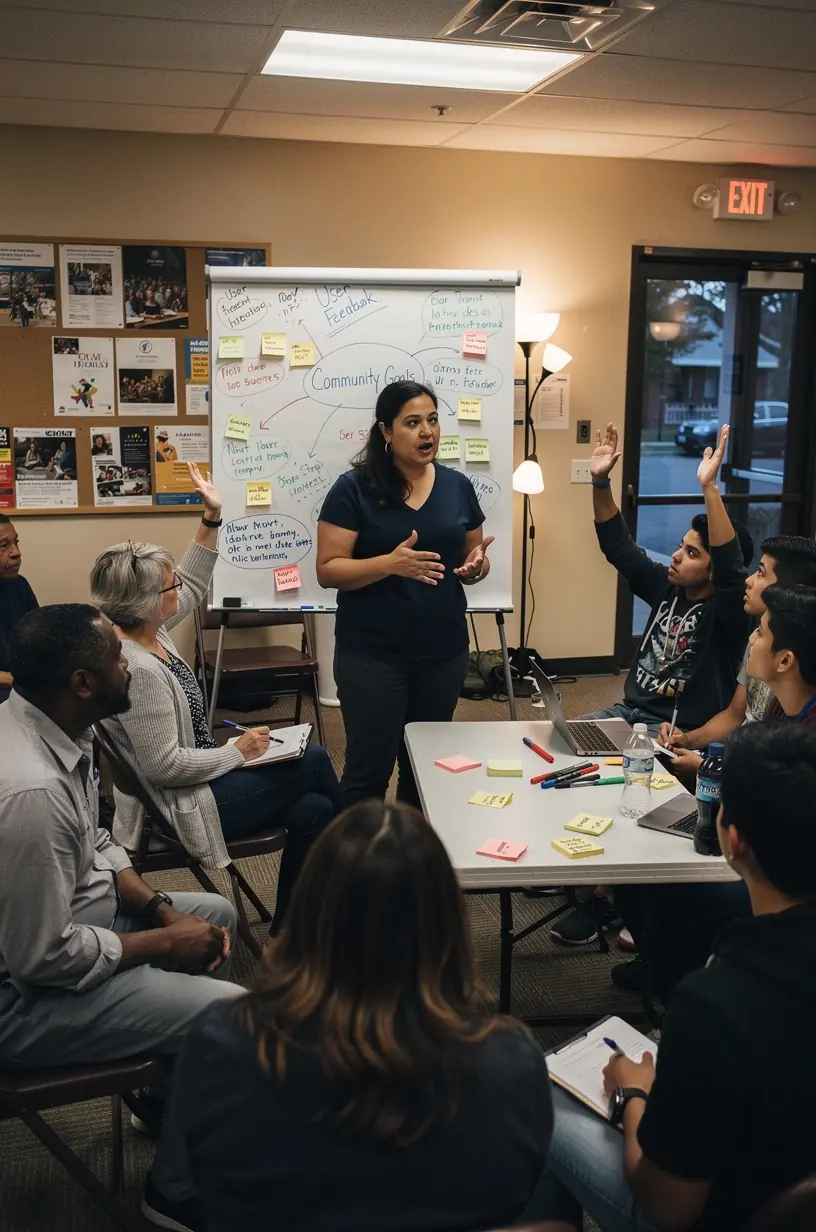
"Research indicates that communities with high engagement levels are more likely to achieve positive outcomes and maintain sustainable development." - IAP2
Key Methods for Community Engagement
Implementing effective community engagement strategies typically involves several key methods:
- Facilitate Open Dialogue: Creating platforms for community members to voice their opinions encourages participation. This can include forums, social media groups, and town hall meetings. Studies show that inclusive discussions can enhance community cohesion and mutual understanding.
- Utilize Surveys and Feedback: Regularly soliciting feedback helps gauge community sentiments and identify areas for improvement. According to experts, community surveys can provide valuable insights into the needs and preferences of members, leading to more tailored engagement approaches.
- Establish Clear Goals and Metrics: Setting specific, measurable objectives for community engagement efforts allows for assessing progress and success. For example, defining participation rates or satisfaction levels enables organizations to track effectiveness over time.
Building Relationships Over Time
Engagement is often a long-term commitment. Building trust and relationships takes time, and consistent effort is required. Most communities respond well when they see tangible, positive outcomes from their contributions. According to industry best practices, efforts may take several months to show significant results.
Challenges and Considerations
While many strategies can enhance community engagement, there are some limitations to consider:
- Engagement initiatives typically require ongoing resources and commitment from both organizers and community members.
- Not all methods will resonate with every community; understanding the unique characteristics and needs of the group is essential for effective engagement.
- Some individuals may be resistant to participation; addressing barriers—such as time constraints or lack of awareness—can help increase involvement.
Conclusion
Effective community engagement is a multifaceted process that can lead to improved outcomes and stronger connections among members. By employing strategies such as open dialogue, feedback mechanisms, and establishing clear goals, communities can foster an environment of collaboration and mutual support. However, realistic expectations regarding time and resources are crucial for sustained engagement. Ultimately, the goal is to empower individuals and create a vibrant community where every voice is valued.
Learn More