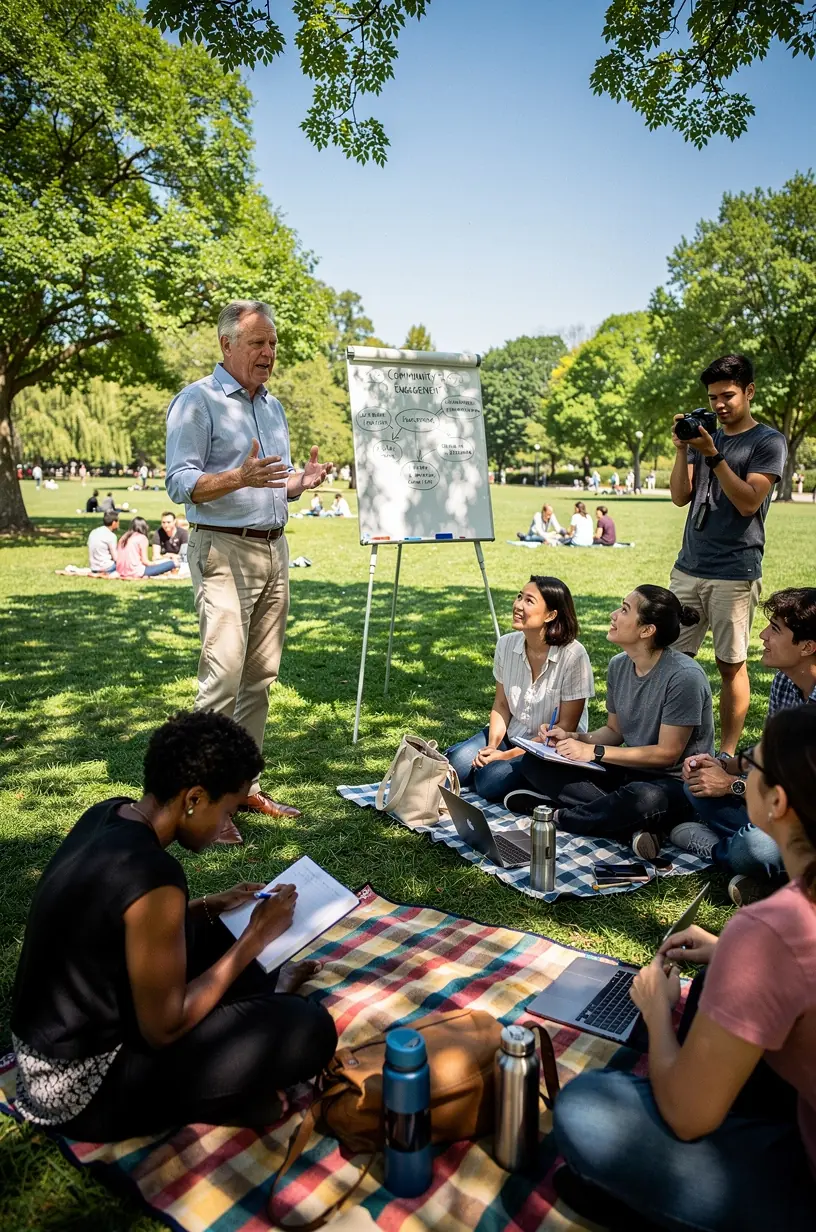
How to Build Effective Learning Communities
Creating a successful learning community can significantly enhance educational experiences. This article explores how to build such communities, leveraging research and expert recommendations to provide actionable insights.
Understanding the Basics
Effective learning communities are often characterized by collaboration, shared goals, and mutual support. According to research by the Community College Research Center, these communities can improve student engagement and retention rates. The principle behind this is that when individuals feel connected and supported, they are more likely to participate actively and persist in their learning endeavors.

"Communities that promote interaction and collaboration can enhance learning outcomes significantly." - Educational Researcher
Key Strategies for Building Learning Communities
- Facilitate Open Communication: Establish channels for dialogue among members. Studies show that communities with open lines of communication typically see higher participation rates. This can include online forums, regular meetings, or social media groups.
- Set Clear Goals: Define the community's objectives. Research indicates that clarity in goals helps members align their efforts, increasing motivation and focus. Goals should be realistic and measurable, allowing members to track progress.
- Encourage Peer Learning: Implement opportunities for members to learn from each other. Experts recommend peer-led discussions or study groups as effective methods for knowledge sharing. This not only builds relationships but also enhances understanding of the material.
- Provide Resources: While avoiding excessive promotion, it’s essential to share relevant resources that can aid learning. Providing access to articles, videos, and books can enrich the community experience, but should be tailored to the needs of the group.
- Recognize Contributions: Acknowledging individual efforts fosters a sense of belonging. Research indicates that recognition can lead to increased motivation and participation, making it crucial for the community's sustainability.
Building a Supportive Environment
Creating a safe and inclusive space is vital for a thriving learning community. This typically involves establishing guidelines that encourage respect and openness. In many cases, communities that prioritize psychological safety see higher engagement levels.
Challenges and Considerations
While building a learning community can yield significant benefits, it’s important to acknowledge potential challenges. Communities may take several months to establish a solid foundation. Additionally, the effort required can vary widely among members, which may affect overall dynamics.
Experts suggest that communities often work best when there is a mix of both experienced and novice members, allowing for a diverse exchange of ideas. However, managing differing levels of knowledge can be a challenge, and requires careful facilitation.
Conclusion
Building effective learning communities involves a thoughtful approach centered on collaboration, communication, and mutual support. By implementing strategies that focus on clear goals and active participation, communities can provide enriching experiences that enhance learning. Remember, the journey takes time, and nurturing these spaces is key to their long-term success.